

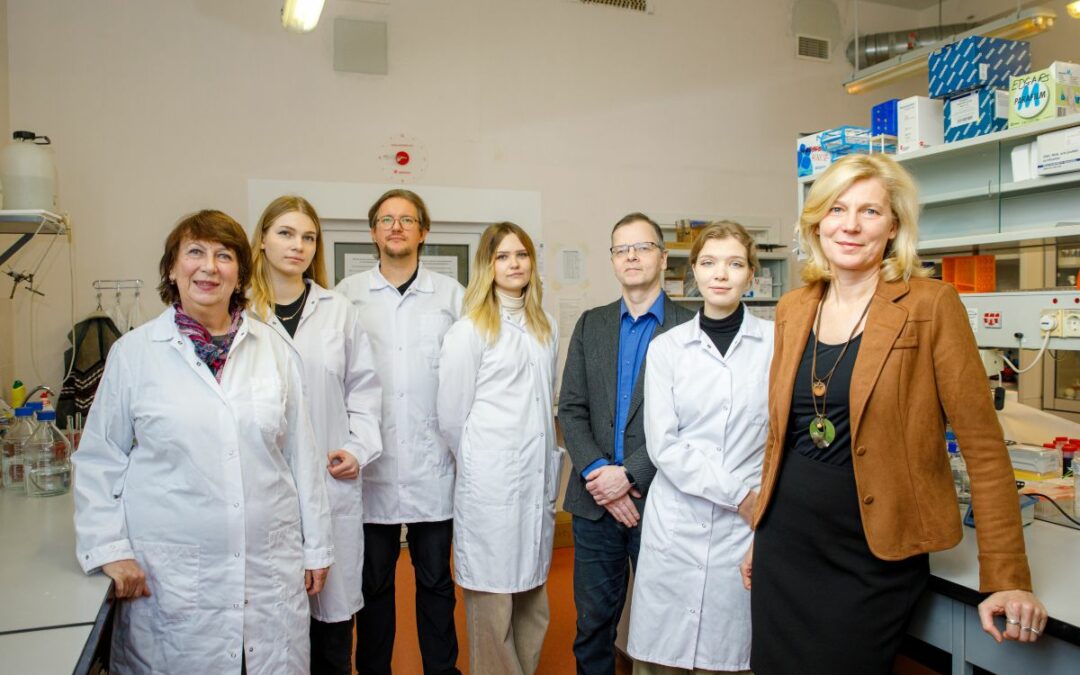
A substantial number of studies demonstrate that cancer-derived extracellular vesicles (EVs) promote cancer development by triggering various signal transduction pathways in recipient cells. Here, we propose to develop a conceptually novel liquid biopsy for the detection and monitoring of cancer based on assessing the functional impact of plasma EVs on the gene expression of recipient cells. In this one-year project, we aim to establish proof of concept for this technology in breast cancer (BC).
The key components of the proposed technology are biosensor cells that respond to cancer-derived EV signals with robust and reproducible changes in the expression of specific genes. Hence, the main R&D objectives of the FLUID-C project are to engineer fibroblast cell lines to serve as EV-responsive biosensors and to identify gene expression signatures specifically induced by plasma EVs from BC patients, but not by those from healthy individuals.
The main commercialisation activities will include the development of an intellectual property management strategy and a commercialisation roadmap, the identification of potential industry partners, and targeted communication efforts, thus establishing a clear pathway toward market entry.
We offer you to watch a video in which lead researcher Aija Linē talks about the project:
 |  |
The project “Long-term State Research Program «Research platform for innovative products in biomedicine and photonics» (BioPhoT)” is implemented within the framework of the long-term national research program “Innovation Fund – Long-term Research Program” funded by the Ministry of Economics. Platform No. IVPP-EM-Inovācija-2024/1-0002.